 Skip to main content


A steep block in the Dandenongs, a compact backyard in Bayside, or a home with narrow side access in the inner suburbs all create the same question – how do you build a quality pool without turning the whole site into a major construction zone? That is where a polypropylene panel pool stands out. It gives homeowners a practical way to achieve a custom pool outcome on sites where traditional methods can be slower, heavier, or harder to manage.
For many Victorian properties, the challenge is not whether a pool is desirable. It is whether the site allows it to be built efficiently, safely, and with the finish you want. Lightweight panel technology has become a serious answer to that problem, particularly for projects that need smart engineering, reduced excavation, and a faster path from planning to swimming.
What is a polypropylene panel pool?
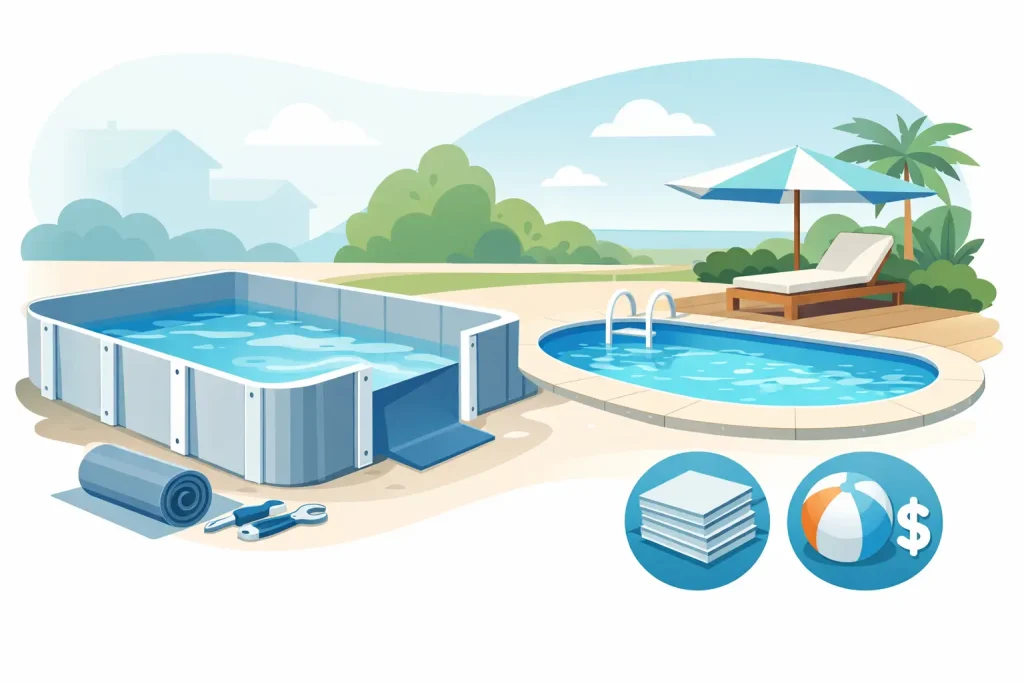
A polypropylene panel pool is a pool built using structural wall panels made from advanced polypropylene, which are assembled on site to form the shell. Once installed, the structure is reinforced and lined or finished as part of the overall build system. The result is a durable, insulated, and highly adaptable pool structure that can be tailored to different shapes, sizes, and site conditions.
The key difference from more conventional construction is in the way the pool is delivered and assembled. Rather than relying on a full heavy concrete shell in every situation, polypropylene panel systems use prefabricated structural components that are lighter to transport and easier to work with in constrained spaces. That flexibility matters on Melbourne sites where access, retaining requirements, existing landscaping, or structural limitations can complicate a standard build.
Why homeowners are considering polypropylene panel pool systems
There is a reason this construction method is getting more attention across residential and commercial projects. It solves real site problems without forcing clients to compromise on design intent.
Weight is one of the biggest advantages. A lighter structural system can make a major difference on sites with restricted access, sloping land, podium builds, or areas where minimising disruption is a priority. If machinery access is limited or excavation needs to be carefully managed, a panel-based system often opens up options that would otherwise be expensive or difficult.
Installation speed is another clear benefit. Because the panels are manufactured in advance and assembled on site, the construction timeline can often be tighter than a traditional build. That does not mean corners are cut. It means the build process is more efficient, with less dependence on large-scale formwork and wet-trade staging at every step.
Insulation also plays an important role. Polypropylene has strong thermal properties, which can help reduce heat loss compared with less insulated structures. For homeowners looking to extend the swimming season or improve energy efficiency, that can translate to lower heating demand over time.
Then there is the environmental side. Recyclable materials, reduced site disturbance, and efficient construction methods all appeal to clients who want a more eco-conscious outcome. It is not only about choosing a pool that looks good. It is about choosing a construction method that makes sense over the long term.
Where a polypropylene panel pool works best
Not every site needs the same construction approach. That is why the best pool builders do not push one method for every project. A polypropylene panel pool tends to be especially well suited to properties where access or structural constraints are part of the brief.
Homes with narrow side passages are a common example. If getting large equipment into the backyard is difficult, a lighter panel system can reduce the need for major access works. The same applies to established homes where owners want to protect gardens, paving, fences, or recently completed renovations as much as possible.
Sloping blocks are another strong fit. On these sites, excavation and retaining can quickly become complex, so reducing structural weight can be a practical advantage. Small backyards also benefit because panel systems support design flexibility without demanding a one-size-fits-all shell.
This approach can also suit commercial projects, particularly where installation needs to be carefully coordinated with existing buildings, access restrictions, or operational requirements. In those cases, flexibility in delivery is just as valuable as the finished pool itself.
Polypropylene panel pool vs concrete pool
Concrete remains an excellent option for many custom pool projects, especially where fully bespoke engineering, finishes, or structural requirements call for it. It has long been the benchmark for premium pool construction, and for some sites it is still the right choice.
The difference is that a polypropylene panel pool gives clients another high-quality pathway. In many difficult-access situations, it can be faster to install and less disruptive to the site. It also offers good thermal performance and can be a more efficient solution when the project needs lightweight engineering.
The trade-off usually comes down to project priorities. If the main goal is absolute freedom in structural form under a conventional heavy construction model, concrete may be preferred. If the goal is to combine custom design with installation efficiency, reduced excavation, and site adaptability, polypropylene panels become very compelling.
This is why honest early advice matters. The right method depends on the block, the design, the surrounding structures, and the finish expectations. A reliable builder should explain those trade-offs clearly rather than treating every pool as the same job.
Design flexibility without the bulk
One of the myths around lightweight pool systems is that they only suit basic shapes or small plunge pools. In reality, modern panel systems can support a wide range of custom layouts, including family pools, compact courtyard pools, and tailored designs that respond to unusual site geometry.
That flexibility is important in Melbourne, where no two backyards are quite the same. Some clients want a clean rectangular pool that complements a modern extension. Others need a compact design that leaves enough room for entertaining, lawn, or a future pergola. The construction system needs to work with the home, not fight against it.
Because the build is tailored on site, the design outcome can still feel fully integrated with the property. Coping, surrounds, waterline finishes, heating, filtration, and automation can all be selected to suit the overall vision. The structure is simply smarter for the conditions.
Why build quality still matters more than the system alone
A good pool system is only one part of a successful project. Design coordination, engineering, excavation management, drainage, compliance, and finishing detail still determine whether the final result feels premium and performs properly over time.
That is especially true with difficult-access or structurally sensitive sites. A polypropylene panel pool should never be treated as a shortcut. It is a specialised construction method that needs the right builder behind it – one with experience in site assessment, tailored design, and full project delivery.
Homeowners often focus first on the product, which is understandable. But the bigger question is who is managing the process. A trusted builder will explain what is possible, identify site risks early, and match the pool type to the property rather than forcing the property to fit the pool.
What to ask before choosing a polypropylene panel pool
If you are considering this type of build, ask practical questions. How will the system suit your block? What level of excavation is still required? How will drainage and structural support be handled? What finish options are available? And how will the timeline compare with other construction methods?
You should also ask about experience. Lightweight panel technology delivers the best results when the builder understands not only the product but also how to integrate it into a complete, well-managed pool project. That includes approvals, engineering, installation sequencing, and final handover.
For Victorian homeowners, local knowledge matters as well. Soil conditions, council requirements, access constraints, and site expectations vary across Melbourne and regional areas. Advice should reflect that reality, not a generic national sales pitch.
Eco Swim works with homeowners and commercial clients who need exactly this kind of practical thinking – a pool solution that fits the site, respects the build conditions, and still delivers a polished final result.
A polypropylene panel pool is not about cutting corners. It is about using the right construction method for the right project. If your property has limited access, structural constraints, or a design brief that needs more flexibility, it may be the option that turns a difficult pool build into a very achievable one.