 Skip to main content


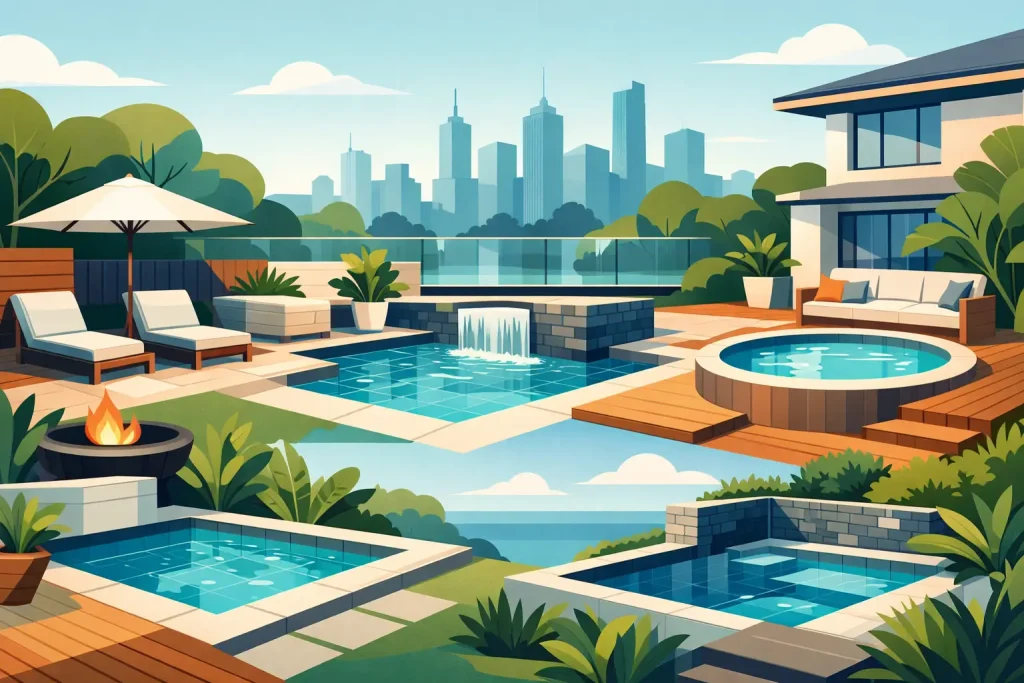
A full-size pool is not always the smartest use of space – especially on a narrow Melbourne block, a compact courtyard or a site with tricky access. That is exactly why plunge pool ideas are getting so much attention from homeowners who want the look and lifestyle benefits of a pool without committing to a large footprint. When designed well, a plunge pool can feel every bit as considered and high-end as a larger build.
The best results usually come from matching the pool to the way you actually live. Some households want a calm place to cool off after work. Others want a family-friendly feature that lifts the whole outdoor area. In many cases, the right plunge pool design also solves practical site challenges, from tight boundaries to sloping land.
What makes a good plunge pool design?
A good plunge pool is not simply a smaller swimming pool. It needs to work harder in less space, which means proportion, placement and features matter more. The shape should suit the available area, the finish should match the home, and the depth should support how the pool will be used.
That is why the most effective plunge pool ideas start with the site rather than a fixed template. A compact inner-suburban backyard may call for a clean rectangular layout that runs parallel to the house. A holiday-style setting on the Mornington Peninsula may suit softer lines, integrated seating and a stronger connection to landscaping. There is no single right answer, but there is usually a clear best fit for the property.
Plunge pool ideas that work in real backyards
1. A slimline plunge pool for narrow blocks
On smaller urban sites, a long and narrow plunge pool often makes better use of space than a square design. It can sit neatly along a fence line or beside an alfresco zone, leaving more usable paving and garden area around it. This layout is especially effective where width is limited but there is enough length to create a strong visual line.
The trade-off is that narrow pools need careful planning around access and furniture placement. If the surrounding area feels too tight, the whole backyard can become harder to use.
2. A courtyard plunge pool with built-in seating
For compact homes and renovation projects, built-in benches can turn a small pool into a much more social and comfortable space. Seating along one or two edges gives people a place to relax without needing extra room for loose furniture or wide entry steps.
This approach suits households that want a pool for cooling off and entertaining rather than laps. It also helps the pool feel more like an outdoor room and less like an afterthought.
3. A heated plunge pool for year-round use
One of the most practical plunge pool ideas is to design for all-season use from the start. In Victoria, heating can make a major difference to how often the pool gets used, particularly in spring and autumn when the weather can shift quickly.
Heating does add to upfront and running costs, so it needs to be weighed against your budget and usage goals. But for many homeowners, especially those investing in a premium outdoor area, it is what turns a pool from occasional feature to regular lifestyle asset.
4. A plunge pool with spa jets
If relaxation is the priority, combining a plunge pool with spa-style hydrotherapy jets can deliver a lot of value in a small footprint. This kind of hybrid design is popular where space does not allow for both a separate pool and spa.
It does require more detailed planning around plumbing, equipment and seating positions. The benefit is a pool that works across different seasons and different times of day, from a quick summer dip to an evening soak.
5. An elevated plunge pool on a sloping site
Sloping blocks are common across many parts of Melbourne and regional Victoria, and they often rule out standard pool layouts. An elevated plunge pool can be an excellent response, particularly when it is used to create a stronger connection between the home and the outdoor entertaining area.
This is where construction method matters. Lightweight panel-built systems can be especially useful on difficult sites because they reduce excavation demands and can suit locations where access or structural conditions make a traditional approach harder. For the right block, that can open up design options that might otherwise seem out of reach.
6. A plunge pool integrated with decking
Timber or composite decking can soften the look of a plunge pool and help it sit naturally within the broader landscape design. It is a strong option for modern homes, coastal settings and smaller backyards where every material choice affects how open the space feels.
Deck-level integration needs careful attention to drainage, slip resistance and maintenance. Done properly, it can make the pool feel cleaner, warmer and more connected to the rest of the entertaining zone.
Plunge pool ideas for a more premium finish
7. Dark interior finishes for a resort look
A darker pool interior can give a plunge pool a deeper, more reflective appearance, which often suits contemporary homes. In the right setting, it creates a refined, resort-style feel and can make the water look rich and inviting.
The practical side is worth considering too. Darker finishes absorb more heat, which may be an advantage for some homeowners, but they also show scale differently. In a very small pool, the effect can feel heavier if the surrounding materials are not balanced well.
8. Light stone surrounds for contrast
If you want the pool to feel crisp and bright, light-coloured coping and paving can create a strong visual contrast with the water. This approach works particularly well in backyards that do not get full sun all day, because it helps lift the whole space.
Material selection matters here. The best result is not just about appearance – it is also about heat underfoot, durability and how the surface performs when wet.
9. Glass fencing to keep the space open
In a smaller backyard, visual openness is valuable. Glass fencing can maintain safety compliance while preserving sightlines across the yard, which helps the pool feel larger and less enclosed.
That said, it is not always the right fit for every home. Some owners prefer more privacy or a softer garden edge. The choice should support the overall design, not compete with it.
10. Water features for movement and sound
A simple blade water feature or wall spout can add a sense of movement to a compact pool area. In tight spaces, subtle sound can make the backyard feel calmer and more secluded, especially where neighbouring properties are close.
The key is restraint. Too many feature elements can crowd a small design. One well-placed detail usually works better than trying to include everything.
Planning plunge pool ideas around the way you live
The most successful pool projects do not start with finishes. They start with questions. Will the pool mainly be used by adults, young kids or a mix of both? Do you want a low-maintenance cooling pool, or something that supports entertaining, hydrotherapy or year-round use? Is the backyard already established, or part of a larger renovation?
These decisions affect size, depth, entry points, heating, filtration and the materials around the pool. They also influence which construction method will make the project smoother. On sites with narrow access, structural constraints or limited space for excavation, modern lightweight systems can offer genuine advantages in speed, flexibility and insulation performance.
For many homeowners, that practical side is just as important as the visual result. A beautiful design still needs to be buildable, durable and suited to the property.
Small-space pools still need careful project planning
Because plunge pools are compact, some people assume they are simple. In reality, smaller pools often require more design discipline. Setbacks, engineering, access, fencing compliance and equipment placement all need to be resolved properly, especially on established residential sites.
That is why it helps to work with a builder who can assess the whole picture early. The best advice is usually specific to the block, the home and your priorities, not based on a generic brochure concept. A well-planned plunge pool should feel effortless once complete, but there is a lot of thinking behind that outcome.
A strong design does more than fit a pool into a small backyard. It improves how the entire outdoor area works, looks and feels. If you are weighing up plunge pool ideas, focus on the option that suits your site and your lifestyle now, not just the one that looks good in a photo. That is what leads to a pool you will keep using for years.